

Puppy Training Schedule: Training Your Puppy Starts Here
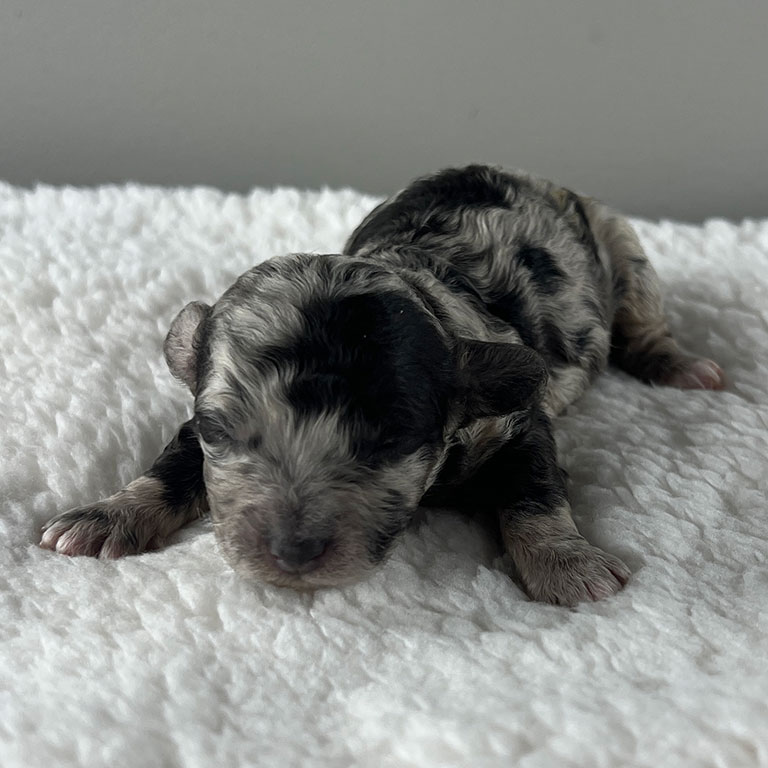
Bringing a new puppy into your home is an exciting and joyous occasion. It also comes with real responsibility, and one of the most important is starting training early. I’m Amy Jones, and at Jones Farm Puppies, every puppy follows a real puppy training schedule long before they ever meet their new family. Socialization begins the day a puppy is born, and structured training starts around 4 weeks of age, because so much of a dog’s lifelong temperament and emotional intelligence is shaped in those first several weeks.
Why Early Training Matters
A puppy’s brain is most open to new experiences during the first few months of life. Building consistency during this window, rather than waiting until a puppy is already home and settled, tends to produce calmer, more confident, and more trainable adult dogs. That’s true whether training happens with me before pickup, with a professional trainer afterward, or on your own at home.

What a Puppy Training Schedule Looks Like in Practice
A good puppy training schedule doesn’t need to be complicated, but it does need to be consistent. In practice, that usually means:
- Short, focused training sessions rather than long, exhausting ones
- The same commands and cues used by everyone in the household
- Regular exposure to new people, sounds, and environments, spaced out rather than crammed in all at once
- Consistent potty, feeding, and nap times, since routine helps puppies learn faster in every other area too
I build this kind of schedule into every litter from the very beginning, and it’s the same framework I recommend families continue once a puppy comes home.
Puppy Kindergarten: Extra Time on That Schedule
For families who want extra structured time before their puppy comes home, I offer a Puppy Kindergarten program. It’s not required, and plenty of families do wonderfully training at home instead, but it’s a good option for anyone who wants extra time built in before pickup day.
Puppy Kindergarten covers crate and potty training, leash and name training, socialization, car rides, grooming and nail trim comfort, brushing teeth, quiet time in a pen, on-the-back handling, and broad exposure to new people, places, animals, sights, sounds, and smells.
Pick of the litter includes 3 weeks of Puppy Kindergarten automatically. For other reservations, I can sometimes add extra weeks if space allows, though I keep enrollment small on purpose so every puppy gets real, individual attention rather than being one of a crowd. Puppies also receive a second round of vaccinations during this time. If you’re interested, it’s easiest to ask about availability once you’ve chosen your specific puppy, and you’re welcome to message me directly with questions.
The Benefits of a Trained Dog
Whether training happens here, with a professional trainer, or entirely at home, sticking to a consistent routine pays off in ways that show up daily:
- Better Behavior: Trained dogs are far less likely to develop destructive habits like chewing furniture or excessive barking.
- Safety: A dog that reliably responds to commands is safer in situations that matter, like avoiding traffic or coming when called in an unfamiliar place.
- A Stronger Bond: Training builds real trust and communication between you and your puppy, and that groundwork carries into a more fulfilling relationship long-term.
- Better Socialization: Trained, well-socialized dogs interact more confidently with other people and animals, which makes outings, visitors, and new situations far less stressful for everyone involved.
Building Your Own Puppy Training Schedule at Home
If you’d rather handle training yourself once your puppy comes home, a few things make a real difference:
Consistency Is Key
Use the same commands and rewards every time so your puppy isn’t left guessing what you’re actually asking for.
Positive Reinforcement
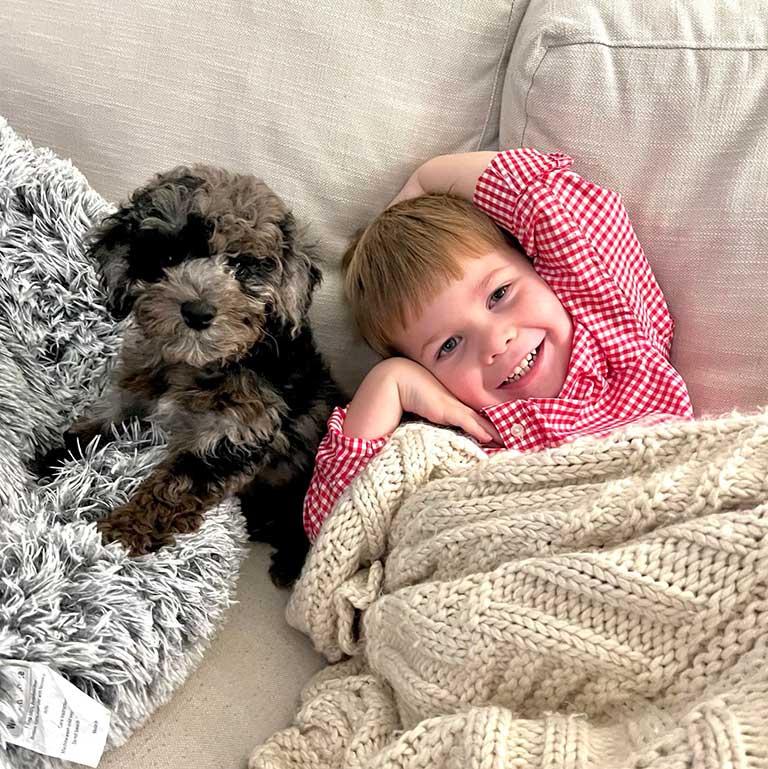
Reward good behavior with healthy treats and praise rather than punishing unwanted behavior. Puppies learn faster, and with less anxiety, when training feels rewarding rather than punitive.
Patience
Training takes real time. Don’t rush the process, and take a moment to celebrate the small wins along the way.
Keep Sessions Short
Five to ten minutes a few times a day tends to work better than one long session, especially early on.
Use Good Resources, Carefully
There’s no shortage of training advice online, but without an experienced trainer’s eye, it’s easy to miss a step that matters, and that gap can slow your puppy’s progress or create confusion that’s harder to undo later.
Resources for DIY Training
If you decide to train at home, a couple of resources are genuinely worth using.
Baxter and Bella: I recommend Baxter and Bella’s online dog training program for families who want structured, professional guidance without in-person sessions. Visit Baxterandbella.com and use code JONESFARM for 25% off a lifetime membership.
Zak George: For a free resource, Zak George is a well-known dog trainer and YouTube creator with genuinely useful content. His video series covers everything from basic commands to more advanced tricks, and his book is a solid companion resource too. Pay close attention while you work through it, since it’s easy to miss a step that ends up confusing your puppy and making training harder down the line.
Whichever route you take, professional or DIY, the goal is the same: a puppy training schedule that’s consistent enough for your puppy to actually learn from it.

Frequently Asked Questions
What is a good puppy training schedule for a young puppy?
Short, frequent sessions, consistent cues, and steady exposure to new experiences, paired with regular feeding, potty, and nap times.
When should puppy training start?
Socialization begins at birth, and structured training typically starts around 4 weeks of age, well before most puppies go home.
Do I need Puppy Kindergarten, or can I train at home?
Either can work well. Puppy Kindergarten adds extra structured time before pickup, but plenty of families train successfully at home with consistency.
Does Pick of the Litter include Puppy Kindergarten?
Yes, choosing Pick of the Litter includes 3 weeks of Puppy Kindergarten as part of that selection.
How often should I train my puppy once they’re home?
Five- to ten-minute sessions, a few times a day, tend to work better than one long session, especially for very young puppies.
Training your puppy early is one of the best decisions you can make for a happy, well-behaved companion, and it starts with a consistent puppy training schedule, whether that begins here or at your own kitchen table. If you’d like to learn more about Puppy Kindergarten, check my available puppies to see who’s currently ready for their forever home, or reach out, and I’ll answer any questions you have.