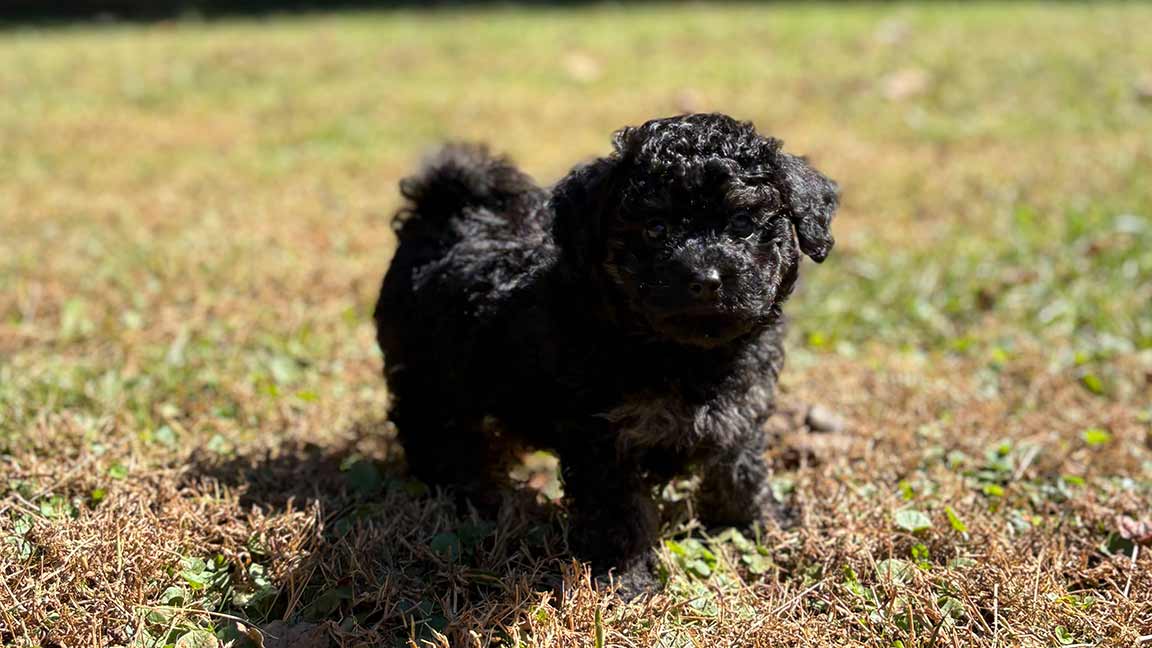
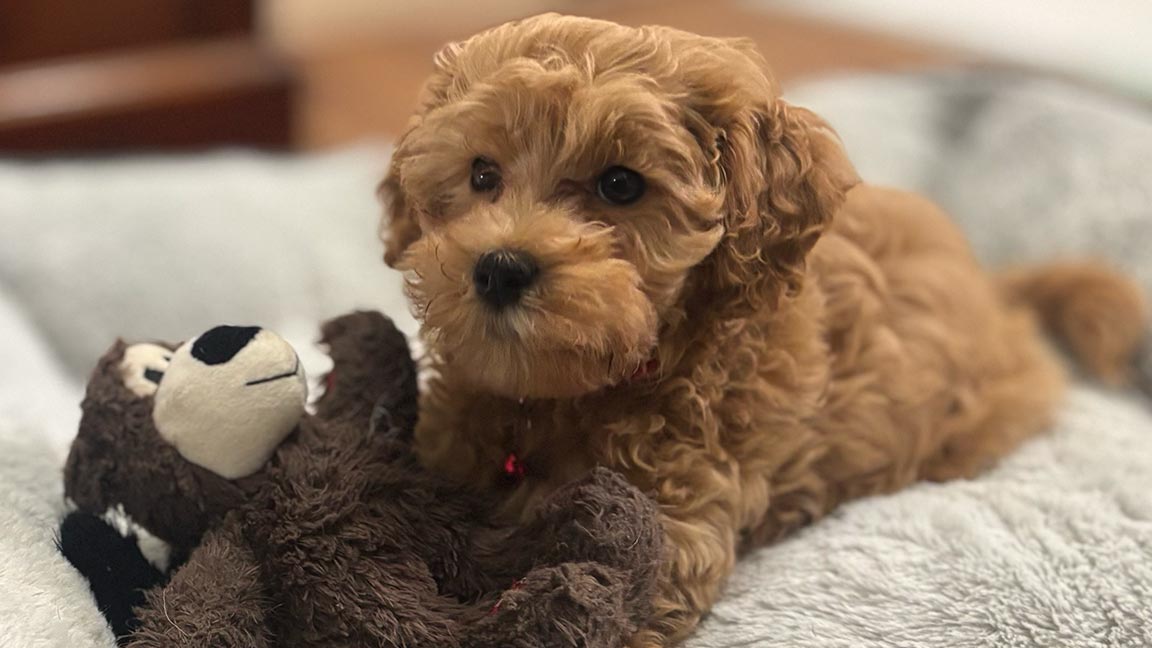
Playdate Etiquette: Safe Socializing with Other Dogs
Hi, I am Amy Jones, founder of Jones Farm Puppies. If there is one thing I have learned after nearly two decades of raising Cavapoos and Micro Mini Goldendoodles, it is that socializing with other dogs is one of the most important gifts you can give your pup. It is also one of the easiest things to get wrong.
A good playdate builds confidence, burns energy, and creates the kind of social fluency that makes your dog a joy to be around for their entire life. A bad one can set back progress in socialization, create fear, or, worse, result in an injury. The difference almost always comes down to a handful of simple rules that most people just do not know going in.
So pull up a chair, because we are going to walk through everything you need to know about playdate etiquette and safe socializing with other dogs, from picking the right playmate to knowing when to call it a day.
Why Socializing With Other Dogs Matters So Much
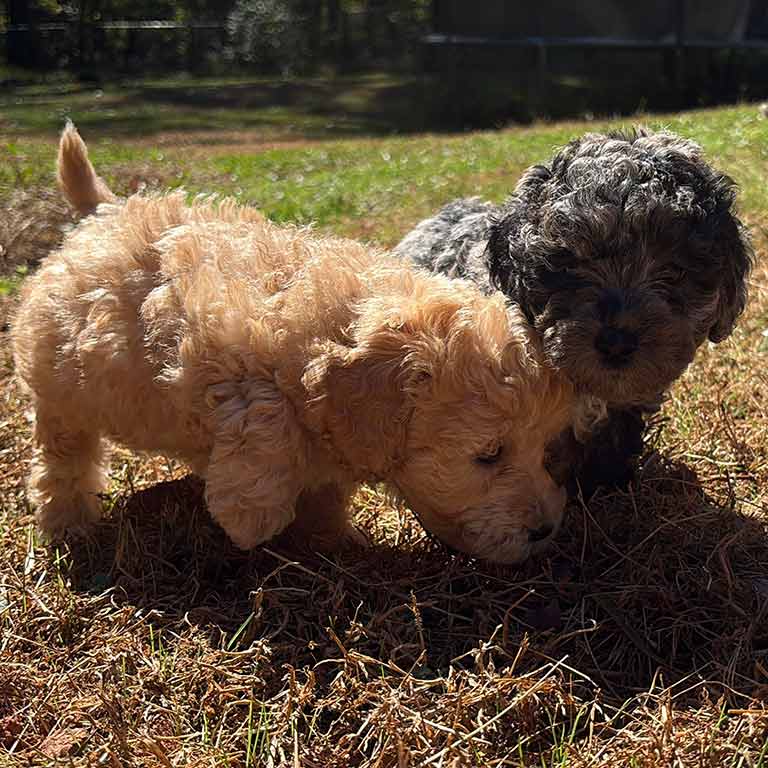
Socializing with other dogs is not just about having fun, though it is definitely that too. It is about teaching your dog a language. Dog body language, play signals, bite inhibition, and the ability to read and respond to another dog’s cues are all skills that develop through real, positive interaction with other dogs.
A dog who misses out on regular socializing with other dogs during puppyhood and beyond can become anxious, reactive, or overly rough in social situations simply because they never learned the rules. And just like any skill, the earlier you start and the more consistently you practice, the more naturally it comes.
In our program at Jones Farm Puppies, we begin socializing our puppies with each other and with our family from day one. By the time a puppy goes home, they already have a foundation of positive dog-to-dog interaction to build on. The playdate etiquette families practice at home is what turns that foundation into a truly socially confident dog.
Choosing the Right Playdate Partner
Not every dog is the right match for every playdate, and being thoughtful about who your dog spends time with sets everyone up for a better experience.
Match Energy Levels
A high-energy, bouncy young dog paired with a calm senior dog is a recipe for frustration on both ends. Look for playdate partners with similar energy levels and play styles. Two puppies who both love to wrestle and chase are going to have a much better time than a puppy paired with a dog who prefers gentle sniffing and would rather not be jumped on every thirty seconds.
Consider Size Carefully
Size differences do not automatically make a playdate unsafe, but they do require more supervision. A large dog playing enthusiastically with a very small dog can accidentally cause injury even with the best intentions. For Cavapoos and Micro Mini Goldendoodles especially, we recommend keeping playdates with significantly larger dogs supervised closely and in short sessions until you know both dogs well.
Vaccination and Health Status
This one is non-negotiable. Any dog your pup plays with should be up to date on vaccinations, recently treated for parasites, and visibly healthy. It is not rude to ask. It is responsible. A good dog owner will appreciate the question because it tells them you take your dog’s health seriously, and theirs too.
Familiar Versus Unfamiliar Dogs
Playdates with dogs your pup already knows and has a positive history with are generally easier and lower stakes than first meetings with unfamiliar dogs. When introducing two dogs who have never met, a neutral location is always the better choice over one dog’s home territory.
The First Meeting: How to Introduce Two Dogs Properly
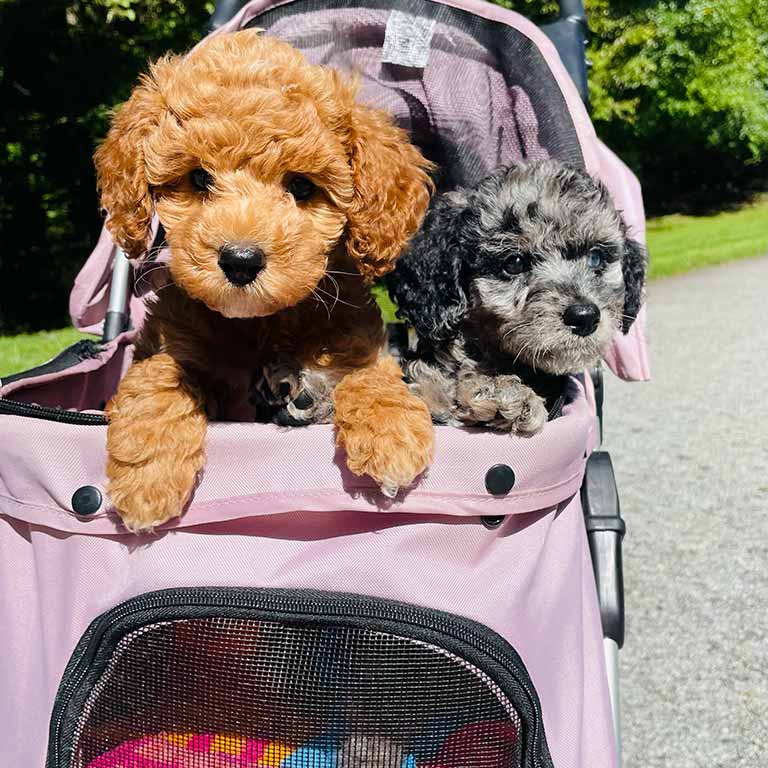
The way two dogs meet sets the tone for the entire playdate, and rushing this step is one of the most common mistakes we see.
Start on Leash in a Neutral Space
Always begin a first meeting on leash in a neutral location, a park, a quiet street, or any space neither dog considers their territory. Avoid meeting at one dog’s home or yard, as territorial instincts can interfere with what would otherwise be a perfectly friendly interaction.
Walk the dogs side by side at a comfortable distance first, allowing them to become aware of each other without the pressure of a face-to-face greeting. Gradually close the distance as both dogs show relaxed, curious body language.
Read the Body Language
Loose, wiggly bodies, play bows, and soft eyes are all green lights. Stiff posture, raised hackles, hard staring, or a tail held high and rigid are signals to slow down and give more space. Socializing with other dogs works best when we let the dogs tell us what they are comfortable with, rather than rushing them into interaction before they are ready.
Let Them Sniff
When both dogs seem relaxed and curious, allow a brief sniff greeting. Keep it short at first, just a few seconds, then calmly guide the dogs apart and let them settle before allowing more interaction. This on-off approach prevents the intensity from building too quickly and gives both dogs time to process.
Move to Off-Leash Once You Are Confident
Leashes can actually create tension during dog greetings because they prevent the natural movement dogs use to communicate comfort and discomfort. Once both dogs have shown relaxed, friendly body language on leash, moving to a safely enclosed off-leash space allows them to interact more naturally.
During the Playdate: What to Watch For
The playdate has started, and everyone seems happy. Now is not the time to sit back and scroll through your phone.
Stay Present and Engaged
Active supervision during socializing with other dogs means eyes on the dogs at all times. Play can escalate quickly, and the owner who notices early signs of overstimulation or discomfort can intervene before a problem develops.
Know the Difference Between Play and Conflict
Healthy play involves role reversal, where both dogs take turns chasing and being chased, both dogs take breaks voluntarily, and the overall energy is loose and bouncy rather than tense and frantic. Conflict looks different. It is one-sided and relentless, with one dog consistently trying to escape or disengage while the other does not back off.
If play starts to look one-sided or a dog seems unable to take a break, it is time to step in calmly and give both dogs a breather.
Build In Regular Breaks
Even when dogs are having the time of their lives, regular short breaks during a playdate help keep arousal levels manageable. Call your dog over, ask for a simple sit, offer some water, and let them settle for a minute or two before releasing them to play again. This also reinforces that coming to you during a playdate is positive, a habit that pays off endlessly.
Watch for Signs of Stress or Overstimulation
Socializing with other dogs is supposed to be fun, and a dog who is stressed or overwhelmed is not having fun, regardless of how active they look. Signs that a dog needs a break include excessive panting unrelated to exercise, yawning or lip licking during play, hiding behind their owner, or a sudden change in energy from engaged to flat.
Respect these signals in your own dog and in the dog they are playing with. A playdate that ends on a positive note before anyone gets overwhelmed is always better than one that goes too long and ends badly.
Common Playdate Mistakes to Avoid
We have seen many playdates over the years, and these are the missteps that reoccur.
Forcing Interaction
If your dog is hesitant or nervous about another dog, pushing them toward interaction before they are ready does not build confidence. It builds anxiety. Let your dog set the pace, stay calm and encouraging, and trust that positive experiences build on each other over time.
Ignoring Resource Guarding
Food, toys, and high-value items have no place at a playdate between dogs who do not know each other well. Resource guarding is a normal dog behavior, but it can escalate quickly in social situations. Remove food bowls, treats, and favorite toys from the space before the playdate begins.
Letting Rude Play Continue
Some dogs have a naturally pushy or overwhelming play style. If your dog or their playdate partner is being relentlessly rude, constantly pinning, humping, or body slamming without any reciprocation, it is your job as the owner to step in and redirect. Allowing rude play to continue teaches the offending dog that this behavior is acceptable and teaches the other dog that socializing with other dogs is unpleasant.
Skipping the Warm Up
Throwing two dogs together in an enclosed space without a proper introduction, simply because they seem friendly on leash, is a gamble that does not always pay off. The neutral introduction and gradual warm-up process may take about 10 extra minutes and dramatically increase the chances of a successful playdate.
Socializing With Other Dogs at Different Life Stages
A puppy’s social needs and a senior dog’s social needs are very different, and adjusting your approach by life stage makes a big difference.
Puppies
The socialization window for puppies, roughly three to fourteen weeks, is the most important period for building positive associations with other dogs. Playdates during this window should be frequent, short, positive, and low-pressure. Focus on quality over quantity and make sure every interaction ends before your puppy gets overwhelmed.
In our Puppy Kindergarten program at Jones Farm Puppies, we provide puppies with structured early socialization experiences that build a positive foundation, so families start on the right foot from day one.
Adolescent Dogs
Adolescent dogs between six and eighteen months can be socially awkward, overly exuberant, or suddenly reactive in ways that seem to come out of nowhere. This is normal and will pass. Continuing to socialize with other dogs during this phase, with patient, well-matched partners, helps adolescent dogs develop the social skills they will carry into adulthood.
Adult and Senior Dogs
Adult dogs generally have more established social preferences and may not want or need the high-energy playdate experience that younger dogs thrive on. Respect your adult dog’s comfort zone, and never force socializing with other dogs on a dog who has clearly indicated they prefer calmer or more limited interaction.
A Note on Dog Parks
Dog parks are a popular option for socializing with other dogs, but they come with some caveats worth knowing. The uncontrolled nature of a dog park means you cannot screen the other dogs for vaccination status, health, or temperament before your dog interacts with them. For puppies or dogs who are still building social confidence, the overwhelming intensity of a busy dog park can do more harm than good.
If you choose to use a dog park, go during quieter times, stay actively engaged, and leave at the first sign that your dog is stressed or overwhelmed. A well-organized puppy class or a one-on-one playdate with a known dog is almost always a better environment for meaningful socializing with other dogs than a busy off-leash park.
We Are Here for Every Step
At Jones Farm Puppies, our support does not end when your puppy goes home. Whether you have questions about socializing with other dogs, playdate introductions, or anything else that comes up as your puppy grows, we are always just a message away.
Browse our available Cavapoo and Micro Mini Goldendoodle puppies and reach out anytime. We would love to help you find your perfect match and be part of your journey from the very first day.
Frequently Asked Questions
At what age should I start socializing my puppy with other dogs?
As early as possible within safe vaccination guidelines, the socialization window between three and fourteen weeks is the most impactful, and positive early experiences with other dogs build a foundation that lasts a lifetime.
How long should a puppy playdate last?
Short and sweet is always better than long and overwhelming. Fifteen to thirty minutes is plenty for young puppies. Watch your puppy’s energy and body language, and end the playdate before they hit their limit.
What should I do if dogs start fighting during a playdate?
Stay calm, avoid reaching between the dogs with your hands, and use a loud noise or water to interrupt the altercation. Once separated, give both dogs time to settle before assessing whether to continue or end the playdate.
Is it safe to have a playdate before my puppy is fully vaccinated?
Consult your veterinarian, but generally, playdates with known, vaccinated dogs in private spaces are considered lower risk than public dog parks. Your vet can help you weigh the socialization benefits against health risks based on your puppy’s vaccination status.
How do I know if my dog enjoys socializing with other dogs?
A dog who enjoys socializing shows loose, relaxed body language, engages willingly, and recovers quickly after breaks. A dog who consistently hides, freezes, or tries to leave may prefer lower-key social interactions or one-on-one time with familiar dogs.