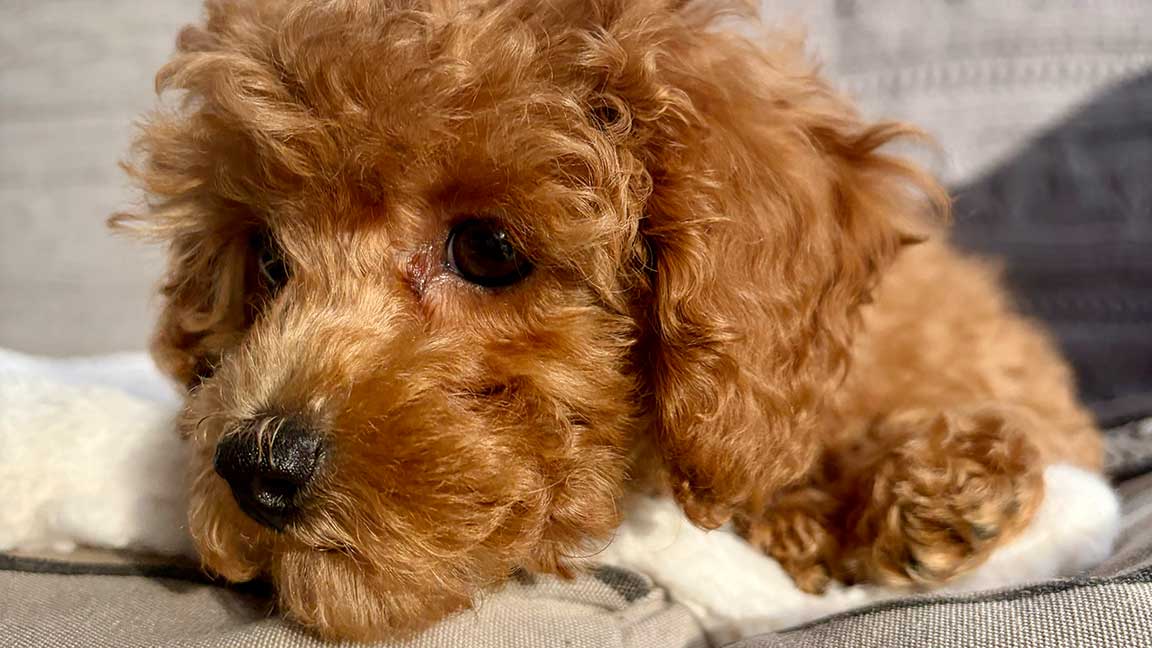
Apartment Living With a Puppy: What Works and What Doesn’t
Apartment living with a puppy is absolutely possible, especially with a small, adaptable breed like a Cavapoo. The key is not the size of your space! It is rather how you use it. With the right routine, enough mental and physical stimulation, and a little planning, your puppy can thrive just as much in an apartment as in a larger home.
At Jones Farm Puppies, many of our Cavapoo families live in apartments, condos, or townhomes. We’ve seen firsthand that with the right approach, apartment living with a puppy can be a smooth, happy experience for both you and your dog.
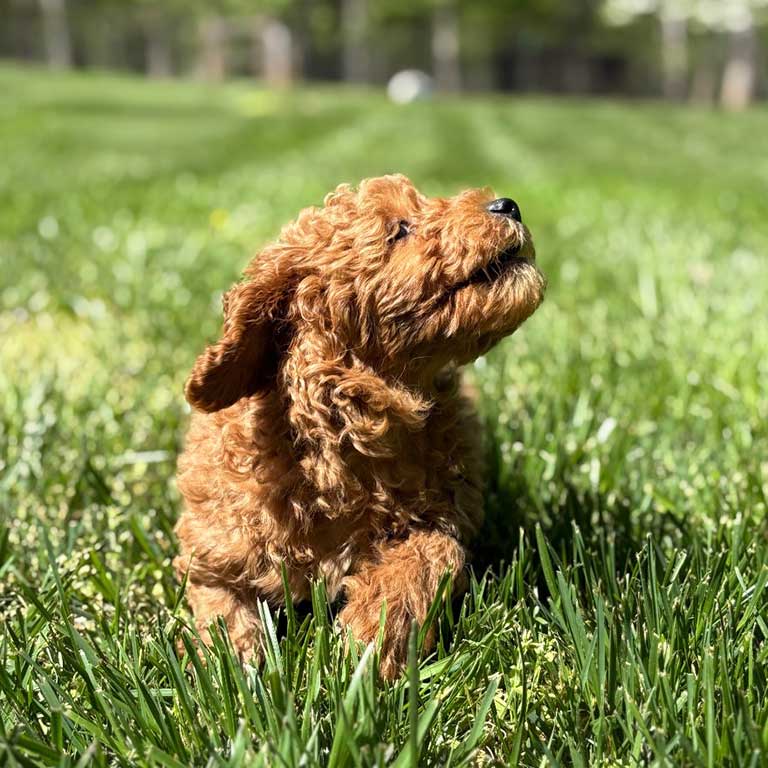
Is Apartment Living With a Puppy Realistic?
Yes, but let’s be honest, it’s not effortless.
Apartment living with a puppy works best when:
• You are committed to daily walks
• You provide regular mental stimulation
• You build a consistent routine
• You manage noise and neighbors thoughtfully
If those pieces are in place, a smaller space is not a limitation.
Cavapoos, in particular, are well-suited for this lifestyle. They’re small, people-oriented, and typically adjust well to indoor living when their needs are met.
What Works for Apartment Living With a Puppy
Let’s start with what actually makes this setup successful.
A Consistent Routine
Puppies do best when their day follows a predictable rhythm.
A solid routine for apartment living with a puppy includes:
• Regular potty breaks
• Scheduled meals
• Daily walks
• Set play and rest times
Routine reduces anxiety and helps your puppy understand what to expect, even in a smaller space.
Daily Walks (Non-Negotiable)
This is the big one.
Your puppy may not have a backyard, so walks are essential. Not just for bathroom breaks, but for:
• Burning energy
• Exploring new environments
• Building confidence
• Preventing boredom
Two to three walks a day is a good baseline for most Cavapoo puppies.
Mental Stimulation at Home
Physical exercise alone is not enough.
Apartment living with a puppy works best when you also provide:
• Puzzle toys
• Short training sessions
• Snuffle mats or scent games
• Rotating toys to keep things interesting
A mentally engaged puppy is calm.
Crate Training and Safe Spaces
A crate or designated area gives your puppy a place to settle and relax.
In an apartment, this is especially helpful for:
• Preventing destructive behavior
• Encouraging naps
• Creating structure
At Jones Farm Puppies, our Cavapoo puppies are raised with early structure and gentle routines, which makes crate training easier for many families.
Neighbor Awareness
Close living spaces mean you need to be mindful of noise.
Start early:
• Teach calm behavior
• Avoid reinforcing barking
• Give your puppy enough activity to prevent restlessness
A well-exercised puppy is far less likely to bark out of boredom.
What Doesn’t Work in Apartment Living With a Puppy
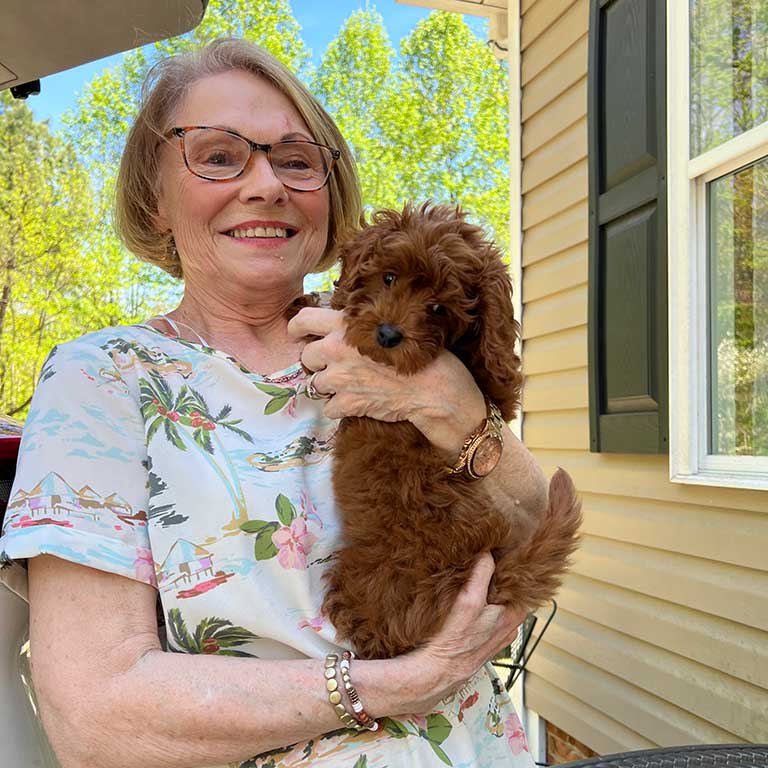
Now let’s talk about what causes problems.
Skipping Walks
This is the fastest way to create issues.
Without regular outings, your puppy builds up energy that turns into:
• Barking
• Chewing
• Restlessness
Apartment living with a puppy depends heavily on consistent outdoor access.
Too Much Freedom Too Soon
Giving your puppy full access to your apartment early on often leads to accidents and bad habits.
Instead:
• Supervise closely
• Use a crate or playpen
• Gradually expand their space
Structure makes everything easier.
Inconsistent Potty Training
Apartments require more intentional potty routines.
Waiting too long or being inconsistent can confuse your puppy. Take them out frequently, especially after:
• Eating
• Sleeping
• Playing
Consistency is what makes potty training work in an apartment setting.
Ignoring Boredom
A bored puppy will find something to do, and you probably won’t like what they choose.
Chewing furniture, barking, or digging at rugs are all signs your puppy needs more engagement.
Potty Training Tips for Apartment Living
Potty training is often the biggest concern when living in an apartment with a puppy.
Here’s what works:
- Take your puppy out first thing in the morning and before bed
• Use the same potty spot each time
• Reward immediately after they go
• Keep a consistent schedule
Some families use puppy pads or grass patches as a backup, but consistency is key. Switching between methods can slow progress.
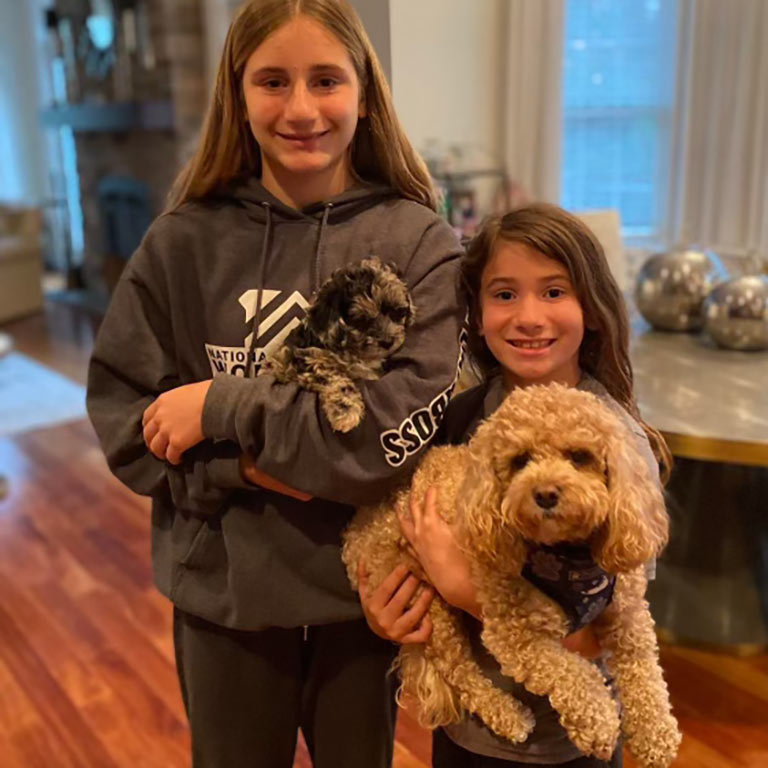
Can a Cavapoo Really Thrive in an Apartment?
Yes, and we see it all the time.
Cavapoos are:
• Small and adaptable
• People-focused and affectionate
• Comfortable in indoor environments
• Responsive to training and routine
As long as their physical and mental needs are met, they do incredibly well in apartments.
A Day in Apartment Life With a Puppy
Here’s a simple example of what apartment living with a puppy might look like:
- Morning walk and potty break
• Breakfast and short playtime
• Midday potty break and quiet time
• Afternoon walk or training session
• Evening play, dinner, and wind-down
• Final potty break before bed
It’s not complicated, just consistent.
A Final Thought From Jones Farm Puppies
Apartment living with a puppy isn’t about having less space, but about being more intentional with the space you have.
When you provide structure, daily activity, and mental engagement, your puppy doesn’t feel limited. They feel secure, connected, and happy.
We’ve placed many Cavapoo puppies in apartment homes, and with the right approach, they thrive.
If you’re willing to put in the time and consistency, apartment living with a puppy can be just as rewarding as any other setup.
FAQ
Is apartment living with a puppy a good idea?
Yes, apartment living with a puppy can work very well with the right routine, daily exercise, and consistent training.
How often should I walk my puppy in an apartment?
Most puppies need two to three walks per day, plus additional potty breaks.
Are Cavapoos good apartment dogs?
Yes, Cavapoos are well-suited for apartment living because of their size, temperament, and adaptability.
How do I potty train a puppy in an apartment?
Use a consistent schedule, take your puppy out frequently, and reward them immediately after they go outside.
Will my puppy bark more in an apartment?
Not necessarily. With proper exercise and training, most puppies remain calm and quiet.
What is the biggest challenge of apartment living with a puppy?
The biggest challenge is staying consistent with walks, potty training, and providing enough stimulation.