Dog Microbiome & Gut Health: What Owners Should Know
The dog microbiome is vital for your dog’s overall health, and supporting it can help you feel confident in providing better daily wellness.
What is the dog microbiome?
Think of the dog microbiome as a busy little neighborhood inside your dog’s gut. It is made up of bacteria, fungi, and other microorganisms. Some are helpful, some are neutral, and a few can cause trouble if they overgrow.
A healthy dog microbiome is usually diverse and balanced. That balance helps your dog break down food, absorb nutrients, and maintain a gut lining that acts like a protective barrier.
Why the dog microbiome matters for everyday health
The dog microbiome is not a trendy buzzword. It is real biology, and researchers have been connecting gut microbes to whole-body health for years.
Digestion and stool quality
Your dog’s gut microbes help break down parts of food your dog cannot digest alone, especially certain fibers. In the process, they produce compounds that support normal gut movement and comfort. When the dog microbiome is out of balance, you may see softer stool, gassiness, or unpredictable potty habits.
Immune system support
A large portion of the immune system is tied to the gut. The dog microbiome interacts with immune cells, helping the body learn what is normal and what is a threat. That is one reason gut health is often discussed alongside allergies and sensitivities.
Skin and itchiness
This surprises many owners. Skin issues can be linked to diet and digestion, and digestion is linked to the dog microbiome. This does not mean every itchy dog has a gut problem, but it does mean gut support can be part of a bigger plan.
Mood and behavior
There is growing evidence that the gut and brain communicate through nerves, hormones, and immune signals. Owners often notice their dog is more settled when their digestion is comfortable. The dog microbiome is not a magic switch for behavior, but gut comfort absolutely affects day-to-day mood.
Signs the dog microbiome may be struggling
Dogs cannot tell us “my gut feels weird,” so you have to watch patterns. These signs do not automatically mean a serious issue, but they are worth paying attention to.
- Soft stool or stool that changes often
- Extra gas or frequent burping
- Occasional vomiting or lip licking after meals
- Decreased appetite or picky eating that is new
- More frequent ear or skin flare-ups
- Stool with mucus
- Increased stress behaviors during tummy discomfort
If symptoms persist, are severe, or are accompanied by lethargy, blood in stool, or dehydration, talk to your veterinarian promptly. Supporting the dog microbiome is helpful, but it should never replace proper medical care.
What affects the dog microbiome most?
The dog microbiome changes in response to lifestyle, diet, and even stress. Some factors are obvious, and some are sneaky.
Diet quality and consistency
Food is the biggest influence for most dogs. A high-quality, balanced diet helps maintain a stable dog microbiome. Frequent food swapping, table scraps, and random treats can make the gut feel like it is on a roller coaster.
Sudden diet changes
Even great food can cause trouble if you switch too quickly. A slow transition gives the dog microbiome time to adjust.
Antibiotics and certain medications
Antibiotics can be necessary and life-saving. They can also reduce helpful bacteria alongside harmful bacteria. After antibiotics, some dogs benefit from a gut support plan guided by a vet.
Stress and routine changes
Moving, travel, or loud house projects can affect digestion, but managing stress helps owners feel proactive in supporting their dog’s microbiome.
Early life and environment
Puppies start building their dog microbiome early. Safe exposure to a normal home life, a steady diet, and a lower-stress environment can help lay a strong foundation.
Food first: the simplest way to support the dog microbiome
If you only remember one thing, remember this. Diet quality and consistency are the core of dog microbiome care.
Here is what we recommend families focus on first.
Choose a high-quality complete diet
At Jones Farm Puppies, we lean toward premium nutrition, and we work with PawTree because we like their approach to balanced recipes and wellness support. A consistent, high-quality diet supports the dog’s microbiome by providing a steady supply of nutrients and predictable digestion.
Transition slowly
A simple transition plan helps avoid upset stomach.
- Days 1 to 2: 75 percent old food, 25 percent new food
- Days 3 to 4: 50 percent old food, 50 percent new food
- Days 5 to 6: 25 percent old food, 75 percent new food
- Day 7: 100 percent new food
If your dog has a sensitive stomach, go slower. A slow transition is one of the easiest ways to protect the dog microbiome.
Keep treats boring, in a good way
Treats are fun, but too many different treats can disrupt digestion.
- Keep treats under about 10 percent of daily calories
- Choose simple treats with familiar ingredients
- Avoid heavy, rich table foods
Your dog can still be spoiled. Just spoil them with consistency.
Probiotics, prebiotics, and why they are not the same thing
Many owners hear “probiotics” and assume that is the whole story. The dog microbiome responds to multiple types of support.
Probiotics
Probiotics are live beneficial bacteria. They can help support a balanced dog microbiome, especially during stress, diet changes, or after digestive upset.
Prebiotics
Prebiotics are fibers that feed beneficial bacteria. They help good microbes thrive, supporting the dog’s microbiome over time.
Postbiotics
Postbiotics are beneficial compounds produced by microbes. You do not usually buy these directly, but they are part of why a healthy dog microbiome matters.
If you want the simple version, probiotics add helpers, prebiotics feed the helpers, and a healthy dog microbiome creates helpful byproducts.
Where PawTree fits in for gut support
We get asked a lot what we recommend when owners want practical support for digestion. Along with a consistent PawTree food plan, we recommend PawTree Gastro Pro Plus for digestive support.
PawTree Gastro Pro Plus is designed to support digestive health and gut balance. Many families use it during transitions, periods of stress, or when a dog’s stool quality needs support. It is not a cure for illness, but it can be a useful part of a broader dog microbiome routine, especially when paired with steady nutrition.
If your dog has ongoing digestive issues, it is smart to talk with your veterinarian first, then use products like Gastro Pro Plus as part of a guided plan.
A practical dog microbiome plan you can actually follow
Here is a simple approach that works for many families without turning your kitchen into a science lab.
- Feed a consistent, high-quality diet, like a PawTree food that fits your dog’s needs
- Transition foods slowly to protect the dog microbiome
- Use a consistent feeding schedule
- Keep treats simple and limit sudden new snacks
- Add gentle enrichment and routine to reduce stress
- Consider PawTree Gastro Pro Plus during transitions or tummy-sensitive phases
- Track stool quality for a week before you change five things at once
The goal is boring consistency. Most dogs thrive on it.
When to call the vet about gut health
Supporting the dog microbiome is helpful, but some signs mean you should bring a professional into the loop.
- Vomiting that repeats or will not stop
- Diarrhea lasting more than a day or two
- Blood in stool
- Severe lethargy
- Refusing water
- Signs of pain, like a hunched posture or crying
- Sudden weight loss
Gut issues can move fast. If you are unsure, call your vet.
How Jones Farm Puppies helps families start strong
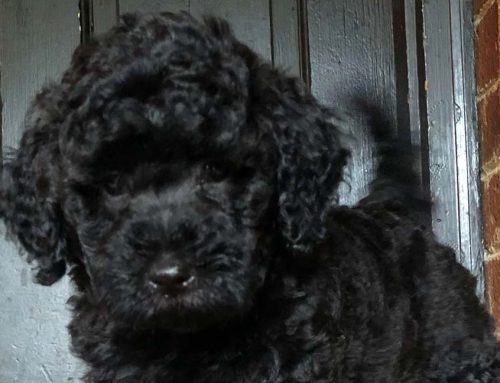
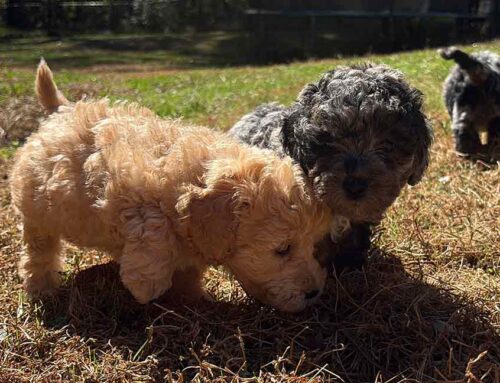
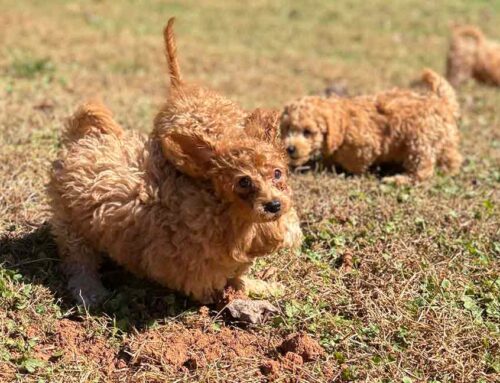
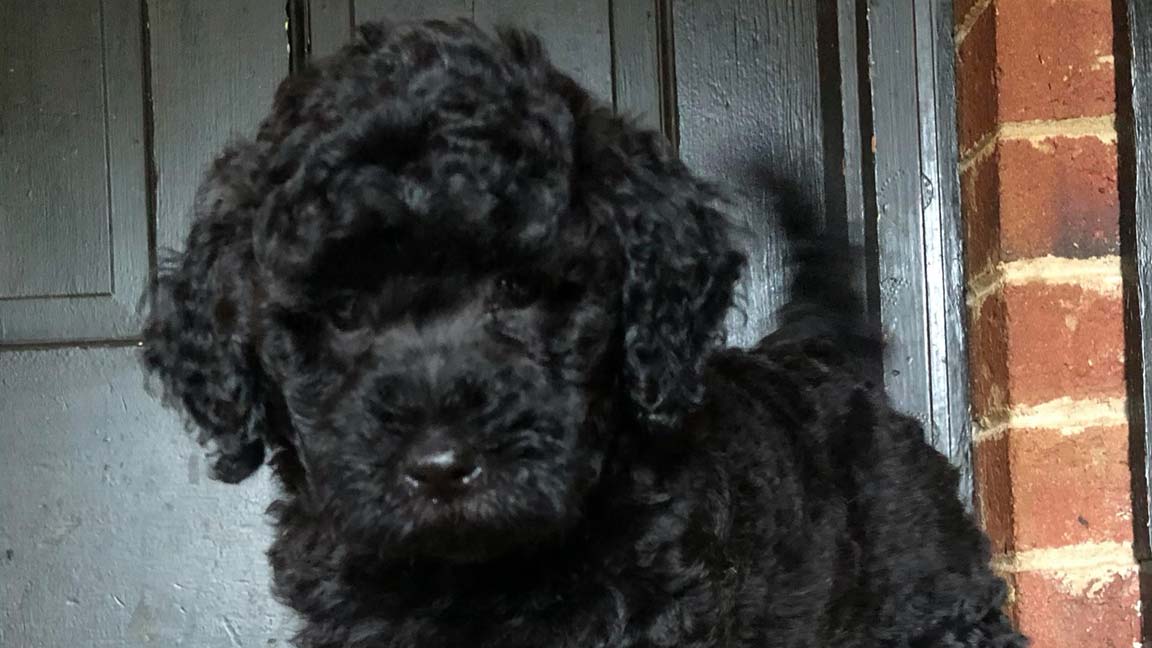
We raise Cavapoo puppies with family life in mind, and we love sending them home with practical guidance to make the first months easier. A strong start includes a steady diet, a calm schedule, and support you can actually use. That is why we work with PawTree and why we talk openly about gut health tools like PawTree food and Gastro Pro Plus.
A healthy dog microbiome is not about perfection. It is about doing the basics well, consistently, and asking for help when something feels off.
FAQ
What is the dog microbiome?
The dog microbiome is the community of microorganisms living in your dog’s digestive tract. It helps with digestion, nutrient absorption, immune signaling, and maintaining a healthy gut environment.
How can I support my dog’s microbiome at home?
You can support the dog microbiome by feeding a consistent, high-quality diet, transitioning foods slowly, limiting random treats, reducing stress with routine, and using digestive support products when appropriate.
Do probiotics help the dog microbiome?
Probiotics can help support the dog microbiome by adding beneficial bacteria, especially during stress, diet changes, or after digestive upset. Ask your vet if your dog has ongoing symptoms.
What is the difference between probiotics and prebiotics for the dog microbiome?
Probiotics add beneficial bacteria to support the dog microbiome. Prebiotics feed the beneficial bacteria already in the gut, helping them grow and stay balanced.
Can antibiotics affect the dog microbiome?
Yes. Antibiotics can reduce harmful bacteria but may also lower beneficial bacteria, temporarily disrupting the dog’s microbiome. Some dogs benefit from a gut support plan after antibiotics, guided by a veterinarian.
How do PawTree products support the dog microbiome?
A consistent PawTree food plan supports steady digestion, helping the dog’s microbiome stay stable. PawTree Gastro Pro Plus can be used as a digestive support option during transitions or sensitive periods, especially when paired with consistent nutrition.
How long does it take to see improvement in the dog microbiome?
Some dogs show changes in stool quality within a few days of consistent feeding, but deeper shifts in the dog microbiome can take weeks. Slow, steady adjustments usually work better than rapid changes.